
If not handled properly, the chemical drugs used in euthanasia, mainly barbiturates, will have a significant environmental impact. These drugs are chemically stable and durable, and they can persist in soil and water for months or even years without decomposing. When remains containing residual drugs are buried, barbiturates can seep into the surrounding soil, endangering wild and domestic animals, particularly scavengers that may forage near the burial site, such as foxes, groundhogs, and birds of prey.
Once ingested, these drugs can cause health problems or even death in animals. In addition, their long-term presence can affect soil and water sources, causing wider environmental pollution. To reduce such risks, cremation or professional pet remains disposal services are recommended. If you choose to bury the remains, you should select a location away from areas frequented by wildlife and comply with local regulations.
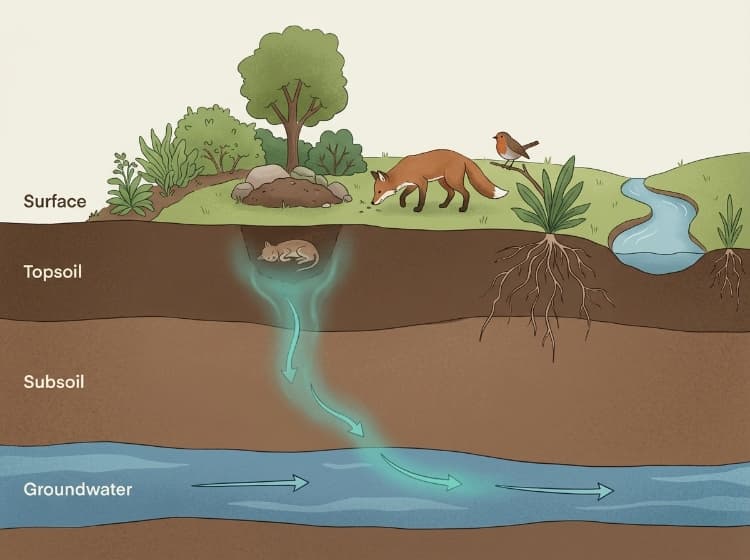
Educational environmental concept illustration
The environmental impact of veterinary euthanasia drug residues from pet remains. A cross-section of a garden: a small pet grave in the soil with a faint glowing trace of chemical residue seeping into the surrounding earth, leaching toward groundwater below, with a small stream and plant roots nearby, and a wild bird and a fox near the surface symbolizing risk to wildlife. Clean infographic style, soft natural colors, earthy browns and greens with a subtle teal glow for the residue, clear layered soil, groundwater, and surface, calm and informative tone, no text.




 crystal@first-urn.com
 8615962459316